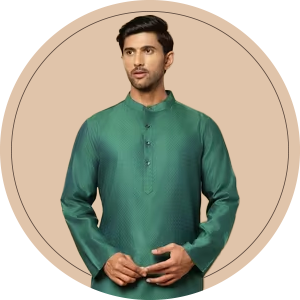

Dressing Smartly Across Changing Seasons

Seasonal change is more than a shift in temperature. It influences mood, routine, and personal style. For both men and women, adapting wardrobes thoughtfully across changing seasons ensures comfort without compromising confidence. Transitional dressing is about foresight. It is about selecting pieces that respond to subtle changes in climate while maintaining a refined appearance.
Each season brings unique demands. Warmer days call for breathable fabrics and lighter silhouettes. Cooler moments invite structured layering and textured materials. Instead of completely reinventing a wardrobe, smart transitions focus on versatility. The right essentials can carry you from one phase to another with ease.
Understanding seasonal rhythm allows clothing to feel intuitive rather than reactive. When garments align with the environment, daily dressing becomes smoother and more purposeful.
Lightweight Layers For Warmer Days
As temperatures rise, comfort becomes essential. Lightweight garments crafted from breathable fabrics create ease throughout the day. For men, relaxed shirts with clean cuts and adaptable trousers provide structure without heaviness. For women, flowing silhouettes that allow natural movement offer both elegance and practicality.
Layering remains important even in warmer conditions. Subtle layering techniques—such as pairing light tops with tailored bottoms—add dimension without bulk. The key lies in choosing pieces that feel airy yet polished.
Transitional dressing during warmer periods also focuses on mobility. Clothing must allow natural airflow while retaining shape. Balanced tailoring ensures that garments do not lose refinement in lighter forms.
When executed thoughtfully, warm-season dressing appears effortless. It prioritizes clarity in design and simplicity in construction, allowing confidence to remain the focal point.
Structured Comfort For Cooler Moments
As the air turns cooler, structure becomes increasingly valuable. Heavier fabrics and defined silhouettes provide warmth while maintaining composure. For men, structured outer layers combined with refined base pieces create depth. For women, tailored shapes layered thoughtfully enhance both comfort and confidence.
Cooler seasons offer opportunities to experiment with texture and proportion. Slightly thicker materials introduce dimension without overwhelming the frame. The balance between insulation and mobility remains essential.
Structured comfort means garments feel supportive yet never restrictive. Precision in tailoring ensures that layers sit smoothly and maintain a sharp outline. Each addition should enhance the silhouette rather than conceal it.
Seasonal transitions during cooler periods are about subtle elevation. Strong lines and thoughtful construction create an impression of readiness and assurance.
Fabrics That Adapt Effortlessly
Fabric selection plays a defining role in transitional wardrobes. Materials that breathe during warmth and insulate during cooler shifts create flexibility. For both men and women, adaptable fabrics extend the lifespan of everyday pieces across multiple seasons.
Soft blends, mid-weight weaves, and durable textures provide reliability. They maintain structure while accommodating changes in climate. Choosing fabrics with balanced weight ensures that garments feel appropriate without frequent replacements.
Texture also influences perception. Smooth finishes communicate minimalism, while subtle texture introduces depth. In transitional dressing, fabric becomes the bridge between seasons. It ensures continuity in style even as temperatures fluctuate.
Adaptable fabrics contribute to smarter wardrobes. They reduce excess while increasing functionality, reinforcing the idea that thoughtful choices define modern dressing.
Colors That Reflect The Climate
Color subtly mirrors the environment. Warmer seasons often invite lighter tones and soft neutrals, while cooler periods welcome deeper shades and richer contrasts. For men and women alike, aligning color palettes with seasonal moods enhances harmony.
Neutral foundations remain versatile year-round. They can be refreshed with subtle shifts in shade to reflect changing light and atmosphere. The goal is cohesion rather than contrast.
Transitional dressing does not require dramatic change. Instead, gradual evolution in color creates seamless movement between seasons. A refined palette ensures garments remain relevant and adaptable.
Color influences emotion. Selecting tones that complement the season enhances confidence and clarity in appearance.
Building A Season-Ready Wardrobe
A season-ready wardrobe is built on versatility and intention. Instead of separating clothing strictly by temperature, focus on pieces that adapt. Layerable garments, adaptable fabrics, and balanced silhouettes create flexibility.
For men, structured essentials that pair easily across varying conditions simplify transitions. For women, versatile silhouettes that accommodate layering offer practicality without sacrificing elegance.
Preparation is key. Evaluating existing essentials and identifying gaps ensures readiness for seasonal shifts. The objective is not accumulation but refinement.
Seasonal transitions encourage mindful dressing. They highlight the importance of adaptability, balance, and thoughtful design. When wardrobes are curated with foresight, changing seasons feel like opportunities rather than challenges.
Dressing smartly across changing seasons is ultimately about confidence. It is about feeling prepared, comfortable, and refined regardless of the climate. For both men and women, transitional style becomes a reflection of awareness—an understanding that true elegance adapts effortlessly.